
Our activities
Your challenges. Practical solutions.
Circular economy, energy, agriculture, biodiversity and territories: explore our five areas of expertise.

audits
Focus
Circular economy: from waste generator to end destination
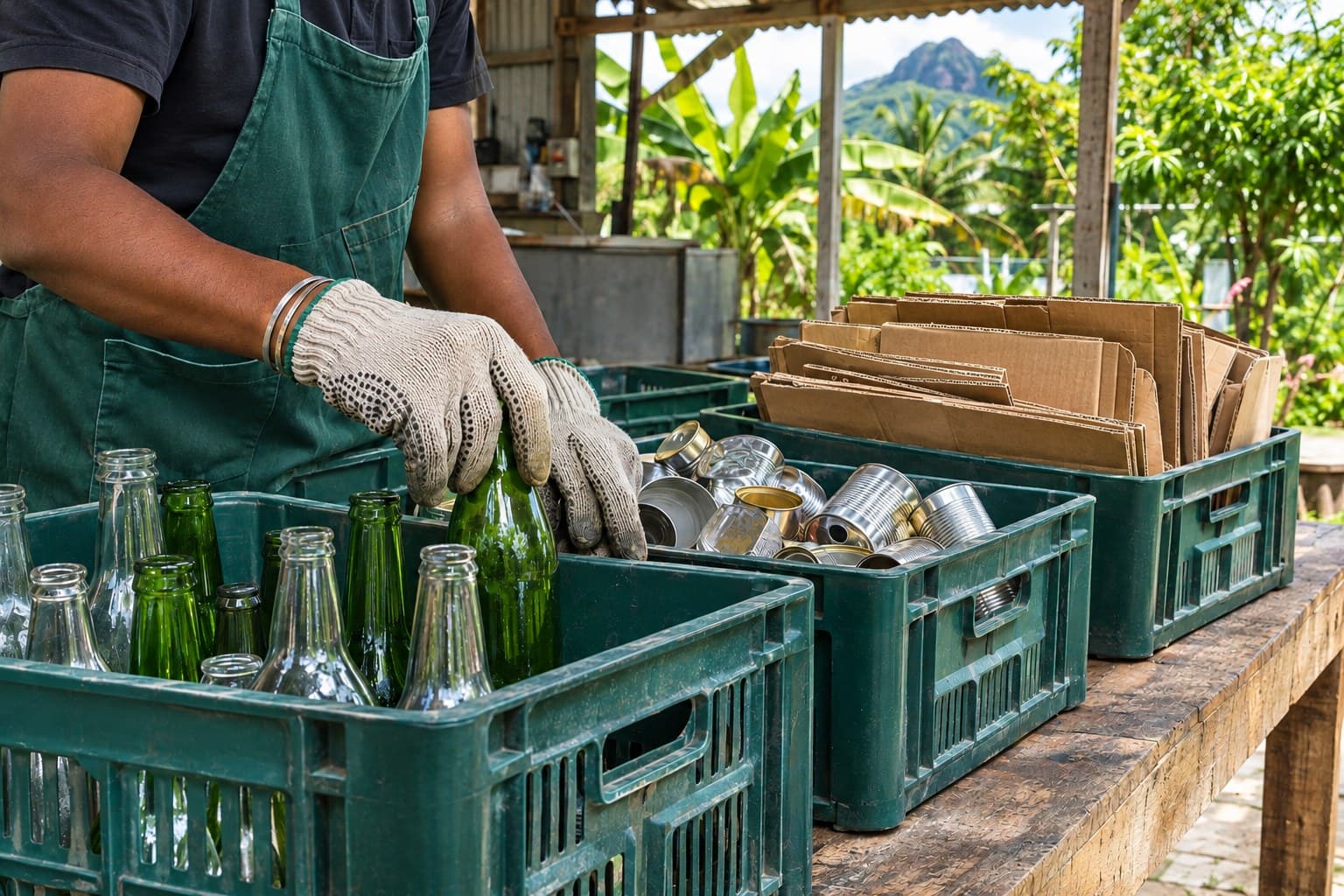
Our expertise is grounded in a detailed understanding of Mauritius’ waste chain, from waste generators to end-of-life, including collection.
We have mapped the island’s recovery outlets and recyclers, know public and private collection operators, and have carried out more than 60 waste and circular economy audits for businesses, hotels and institutions.
That is what enables us to propose solutions that work in practice across the territory.
- Mapping of
- Recovery outlets and recyclers
- Collection stakeholder network
- Public and private
Waste management
Audit
Assess the nature and volume of your waste streams on site to identify what can be prevented or recovered, using a method refined through more than 60 audits.
Management plan
Set objectives and responsibilities, source separation, equipment and value chains, with practical actions.
Implementation
Use our map of recovery outlets to connect each stream with suitable collectors and recyclers, support rollout and train your teams.
Monitoring
Measure results, track waste streams to their end destination using tools such as Plastrak for plastics, and adjust the system over time.
EPR and eco-organisations
Extended Producer Responsibility makes producers responsible for managing products at end-of-life. Mautopia supports producers, importers and public authorities in designing these schemes: mapping flows, bringing stakeholders into dialogue, establishing a governance and funding model, then preparing the eco-organisation that will enable obligations to be pooled within an organised value chain. We also facilitate the work underway on PET bottles with private stakeholders and the Ministry of Environment.
Plastics
From plastic diagnosis to local solutions
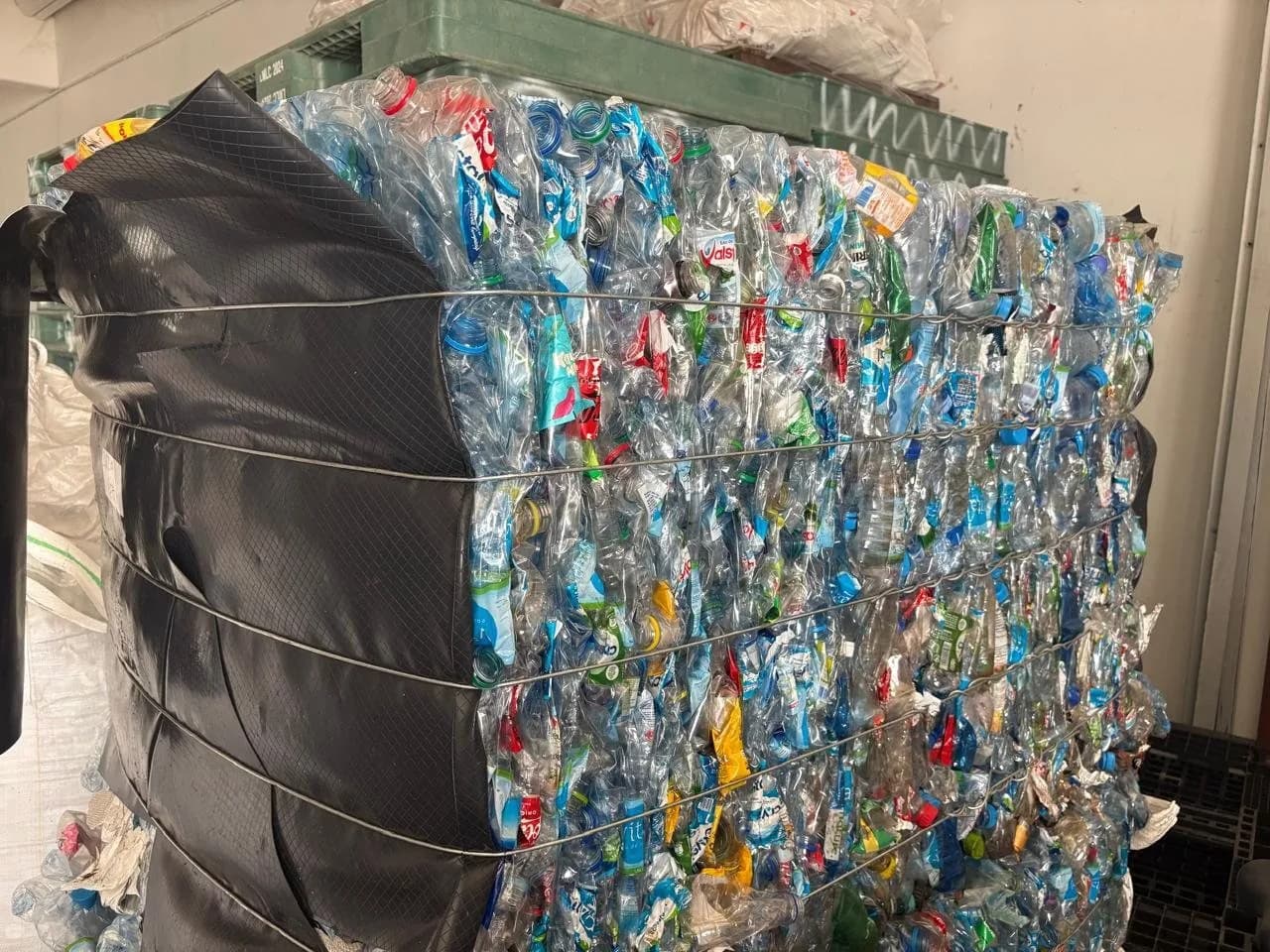
Plastics are our specialty. The problem cannot be solved by simply replacing one material with another. Mautopia takes a life-cycle approach: avoid, reduce, reuse, collect, recycle and recover, always checking that a real end-of-life solution exists in Mauritius. We work with waste generators as well as small collectors and industrial recyclers such as WeCycle and PIM. To better track flows, we supported the creation of Plastrak, a plastics traceability tool. We also support public policy, from the national roadmap against plastic pollution to regional Indian Ocean Commission programmes, and prepared a plastics waste profile for IUCN.
Impact projects on the ground
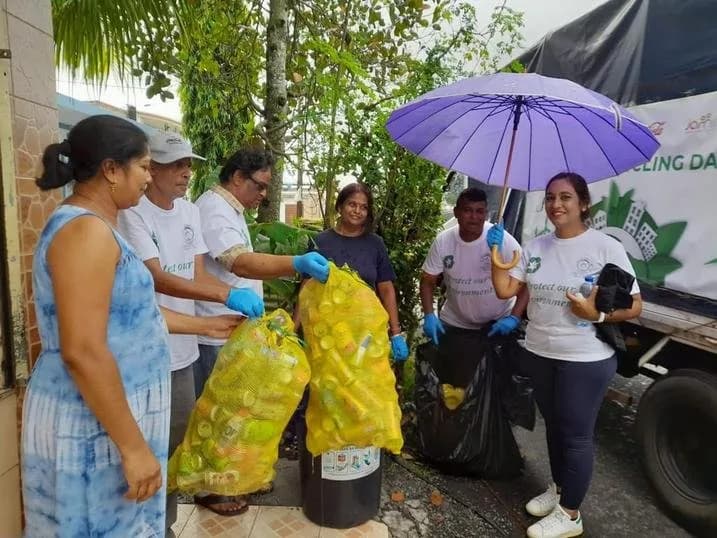
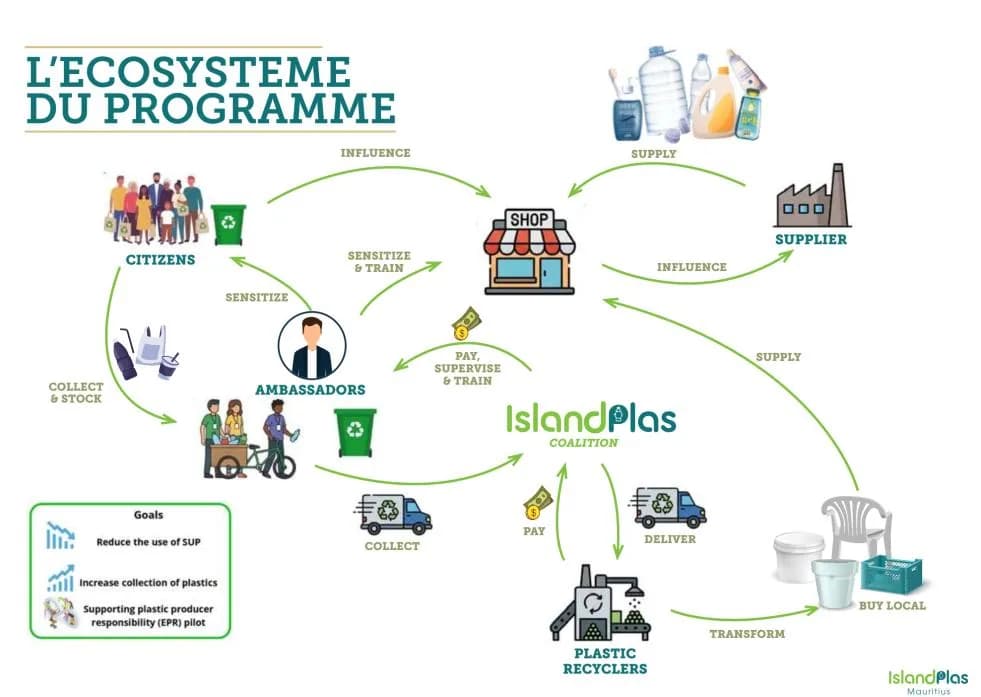
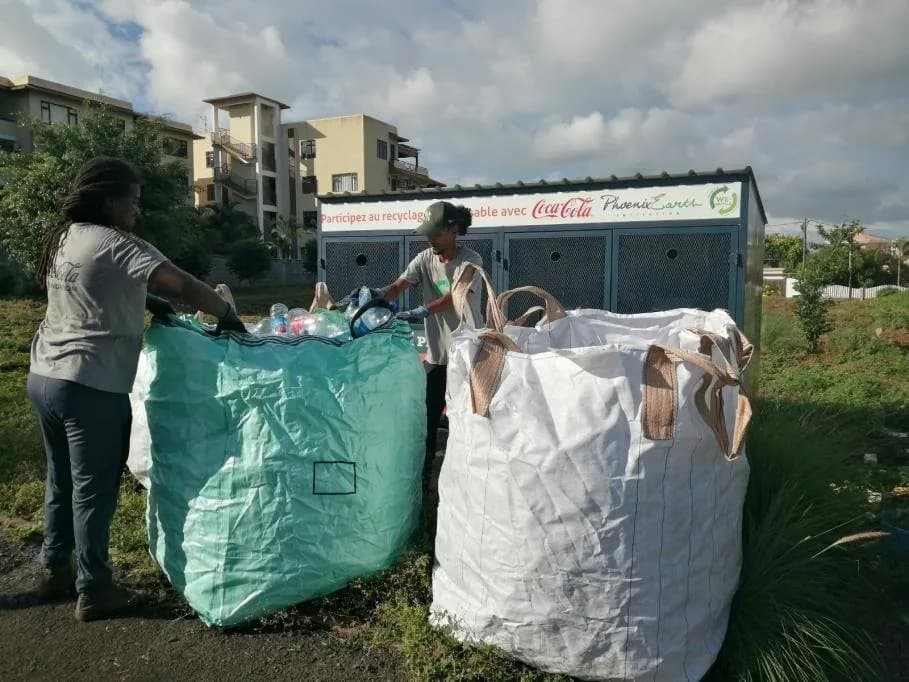
Mautopia designs and delivers projects that connect residents, waste generators and recyclers in a shared loop. Through IslandPlas, delivered with Plastic Odyssey as part of an IUCN programme, we coordinate plastics collection, sorting and recovery in the field, equipping local stakeholders and engaging the public. We also organised Plastic Odyssey’s stopovers in Mauritius.
Industrial symbiosis
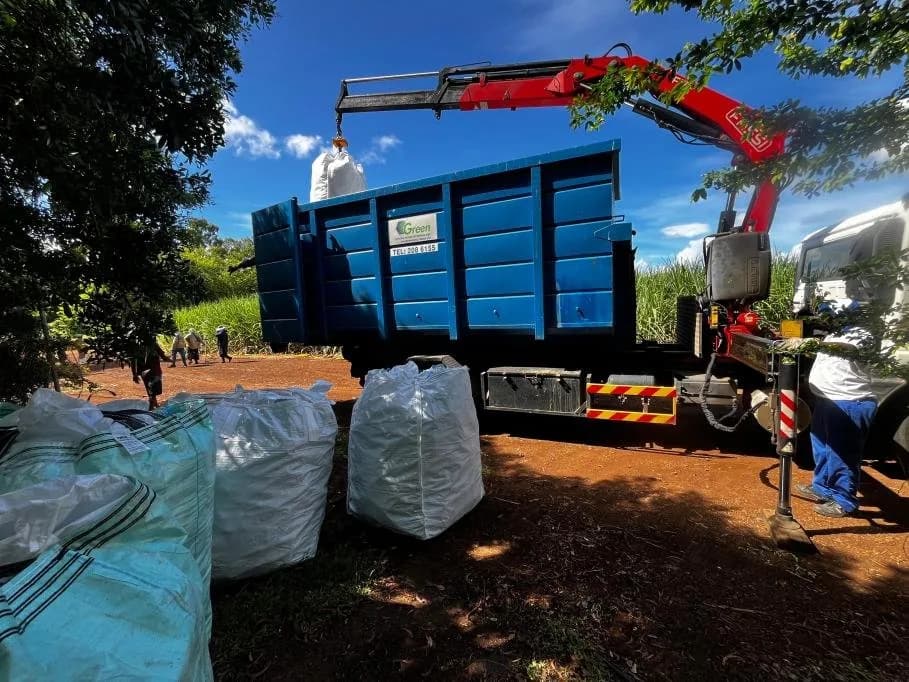
Industrial symbiosis creates links between businesses through the exchange or sharing of materials, energy, information or services: one company’s waste becomes another’s resource. With the Association of Mauritian Manufacturers (AMM), Mautopia draws on its map of recovery outlets and knowledge of local industry to identify flows that can find a local user, then help make those connections.
Eco-design
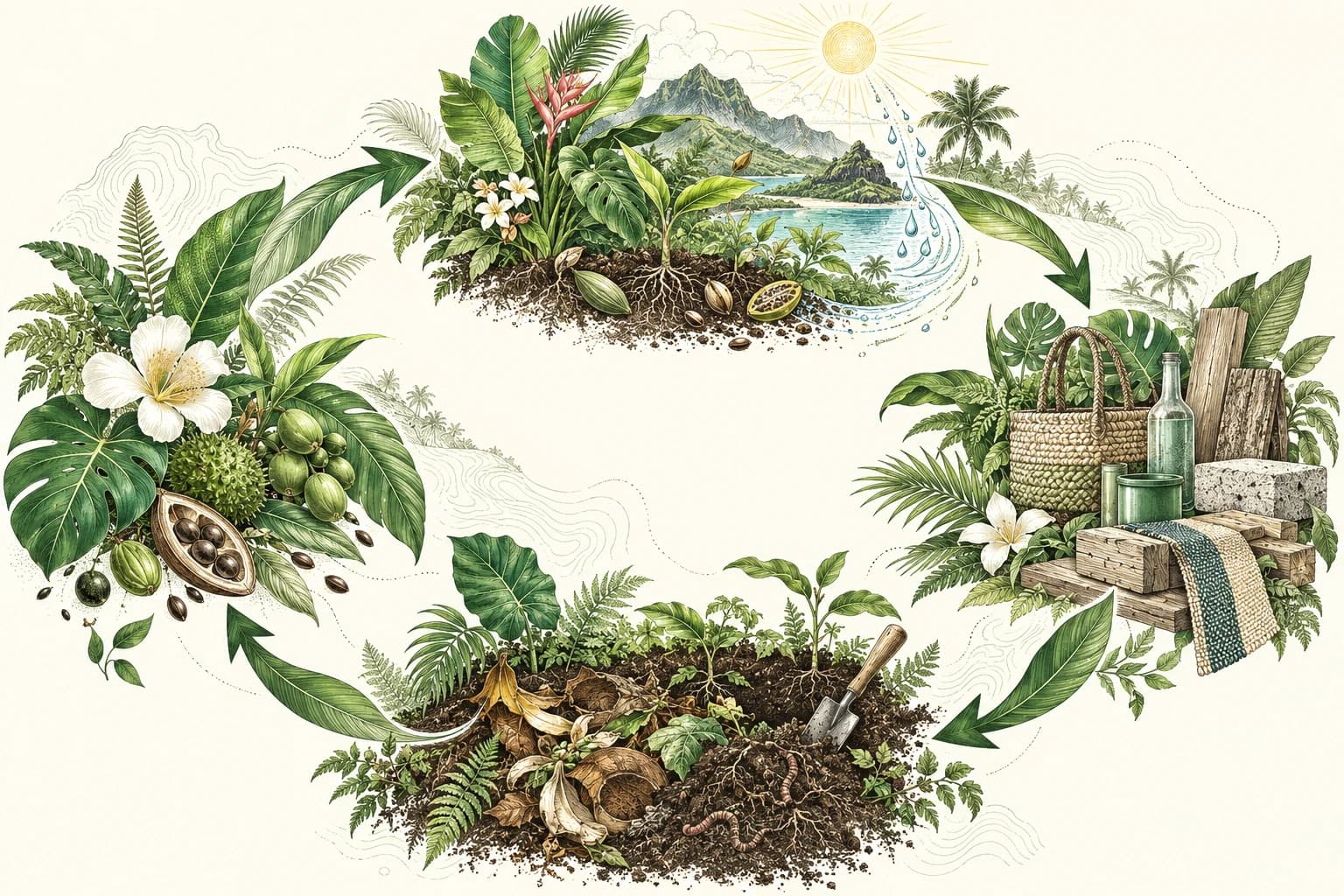
Taking action at the design stage can reduce a product’s or package’s impact before it even reaches the market. Mautopia supports manufacturers and distributors with practical options: reducing materials, reusable or deposit-return packaging, and materials that can be recycled locally. Our knowledge of recyclers helps confirm whether packaging described as “recyclable” really can be recycled in Mauritius. Our partnerships with Blue Boa and Qualitropic enable us to offer quality support on this subject.
Areas of work
Five levers to transform our islands
Each area receives comprehensive support, from diagnosis through to field deployment, made possible by our in-house teams and partners.
Circular economy
In Mauritius, many of the goods people use are imported, and most waste still goes to Mare Chicose, the island’s only landfill, which is nearing capacity. Moving away from a ‘take, make, use, throw away’ model is an environmental, economic and resilience challenge for the territory. Mautopia supports businesses, hotels, manufacturers and public authorities to prevent waste, structure local collection and recovery value chains, and prepare for Extended Producer Responsibility, starting with PET bottles.
Keep materials in circulation for as long as possible: reduce at source, reuse, repair, then recycle and recover locally. From diagnosis through to value-chain organisation, we help each stakeholder find their place in the loop.
Our interventions
- Waste and resource flow assessments
- Waste management plans and source separation
- Regulatory monitoring and support
- EPR value chains and preparation of eco-organisations
- Structuring collection and recovery value chains
- Product and packaging eco-design
- Source reduction, reuse and deposit-return systems
- Industrial and territorial symbiosis initiatives
- Recovery of recyclable materials
- Team training and engagement
Energy
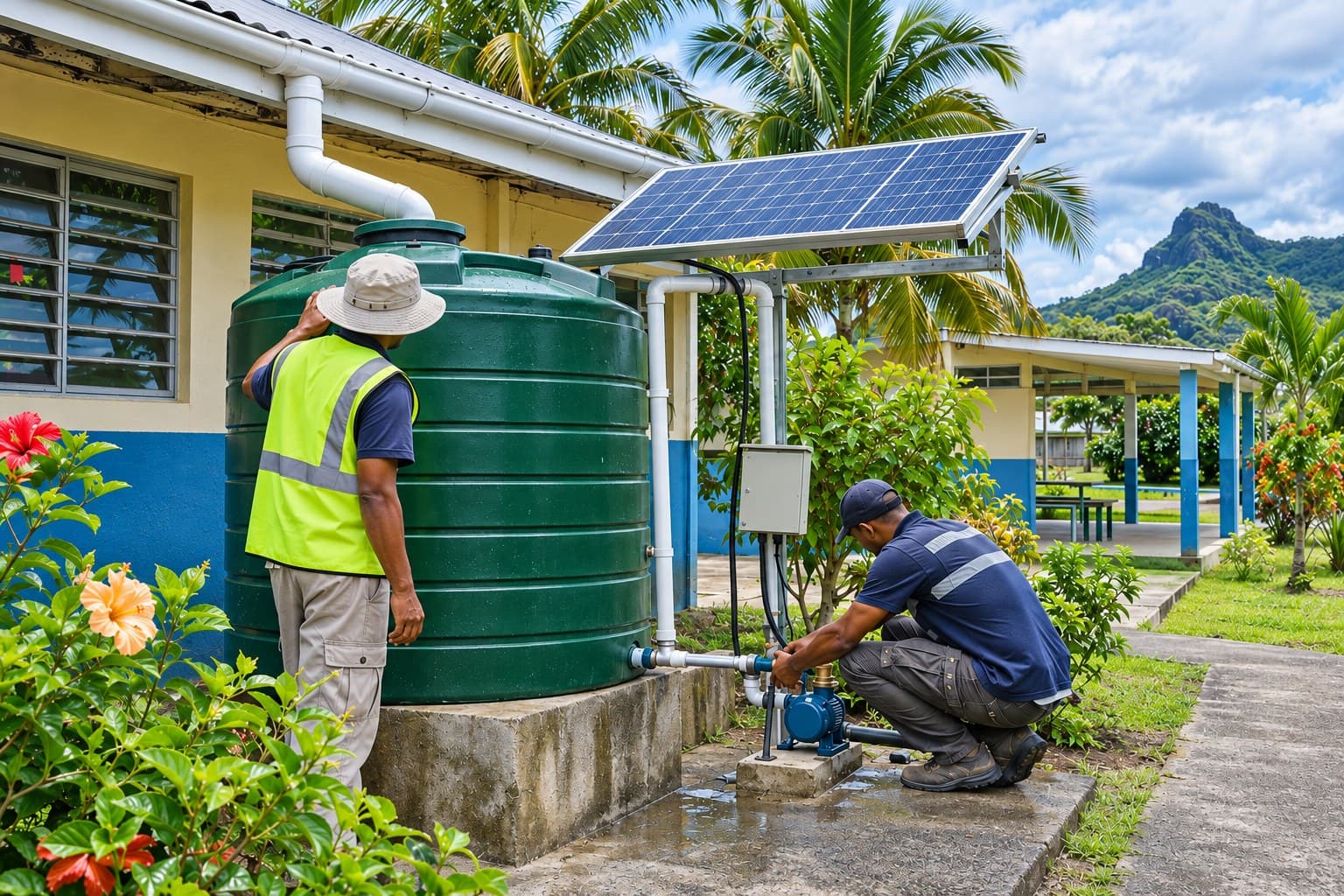
In Mauritius, electricity is still generated mainly from imported fossil fuels, and the country has set a goal of reaching 60% renewable energy in its electricity mix by 2030. This transition does not happen only in large power plants. It also happens in every building, industrial site and hotel. Mautopia helps organisations and local authorities understand and reduce their consumption, then produce and use cleaner energy by bringing in the right technical partners and funding schemes.
Use less, use better, produce locally: from energy audits to solar self-consumption, we support every step towards lower-carbon energy.
Our interventions with quality partners
- Energy audits and assessments
- Energy conservation and efficiency plans
- Demand management and consumption monitoring
- Solar feasibility and self-consumption studies
- Support for solar projects, from sizing through to commissioning
- Sustainable construction and bioclimatic design
- Active and electric mobility
- Funding applications and access to support schemes
- Decarbonisation strategies and carbon footprinting
- Team training and awareness on everyday energy use
Sustainable agriculture
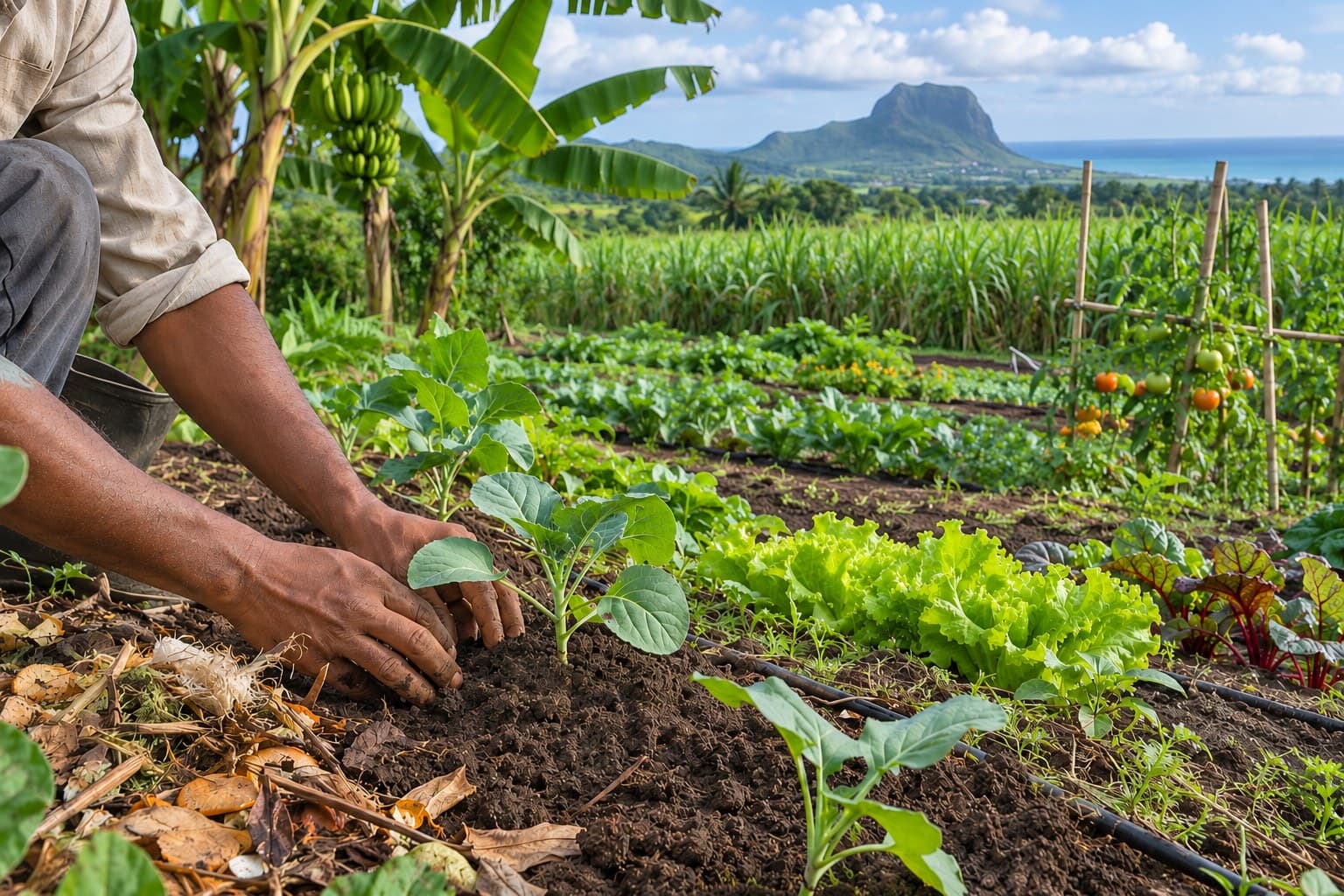
Mauritius imports much of its food, while its agricultural land remains largely devoted to sugar cane and soils are under pressure from chemical inputs. Developing local, diverse and resilient agriculture is therefore a matter of health, food autonomy and climate adaptation. With an agronomist on its team, Mautopia supports businesses, hotels, schools, associations and growers from soil assessment through to the development of local value chains. The team also supported the creation of shared agroecological gardens from 2021 and trained more than 100 people.
Production systems that protect soil, water and biodiversity while remaining economically viable. Our agronomic expertise enables us to support each project from field assessment to the plate.
Our interventions with quality partners
- Agronomic assessment and soil analysis
- Design and monitoring of agroecological gardens
- Learning gardens for businesses, hotels and schools
- Agroecology training for growers, gardeners and teams
- Support for lower-input farming practices
- Composting and use of organic waste in agriculture
- Local sourcing for hospitality and food service
- Seed-to-plate projects
- Local value chains and short supply chains
- Solidarity food baskets and community-supported agriculture
Living systems
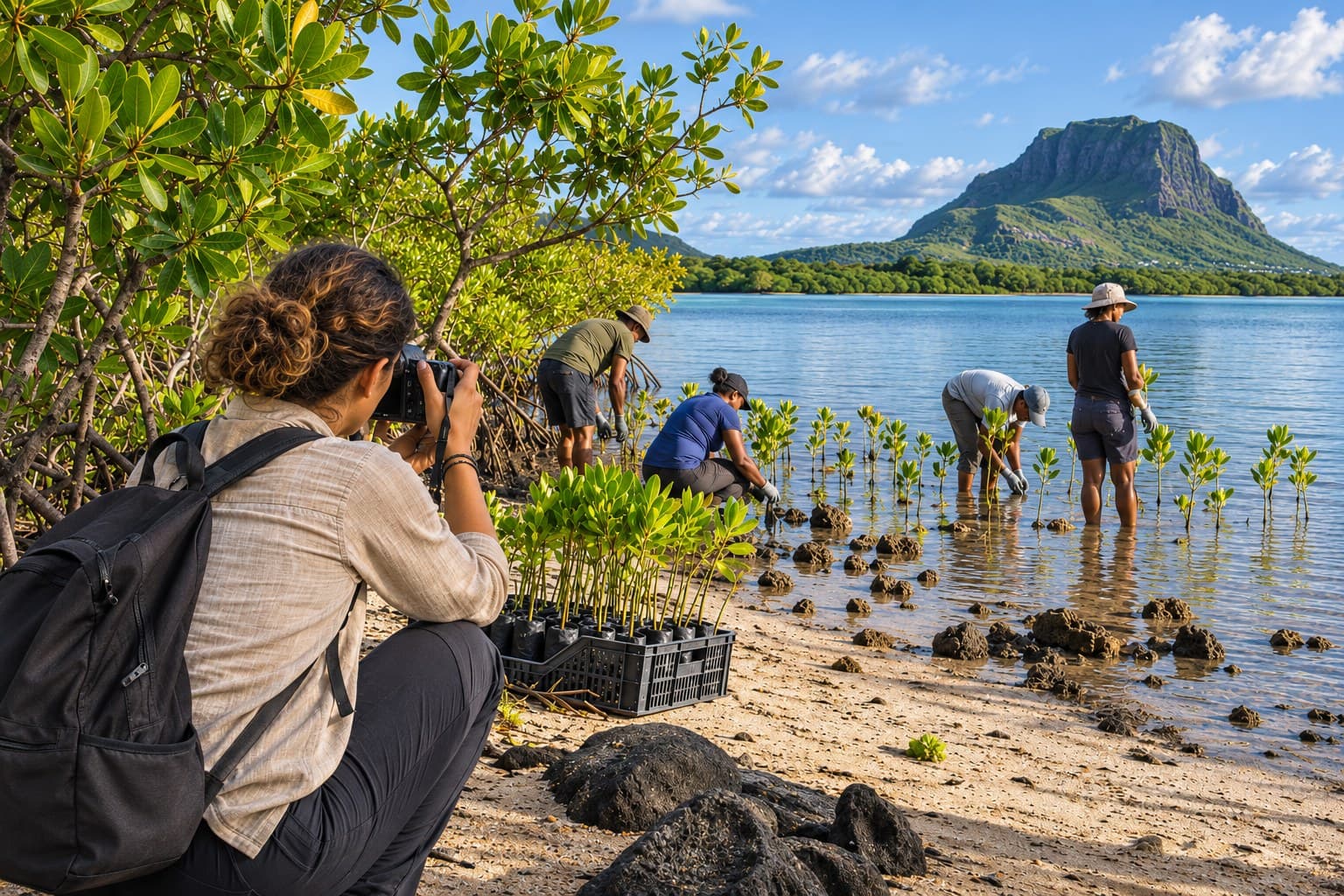
Mauritius and Rodrigues are home to exceptional biodiversity, much of which is found nowhere else, and which is also among the most threatened in the world. The resilience of our islands depends directly on the health of their terrestrial and marine ecosystems. On these issues, Mautopia draws on a network of partners recognised for their scientific expertise and commitment in the field: conservation NGOs, researchers, naturalists and marine specialists. We bring what we do best: developing projects, bringing stakeholders together, engaging businesses, hotels and residents, and sharing the work being done.
Understand what lives in a territory before deciding what gets built there. With specialist partners, we help understand, protect and restore ecosystems, involving the people who live and work there.
Our interventions
- Developing biodiversity projects with specialist partners
- Coordinating biodiversity inventories and atlases
- Integrating biodiversity into development projects and hotel sites
- Supporting ecosystem restoration programmes
- Participatory field projects and community engagement
- Beach clean-ups and action on marine litter
- Collecting and analysing marine litter data
- Marine discovery and awareness
- Responsible ocean tourism and water activities
- Corporate engagement and sponsorship for biodiversity
Territory
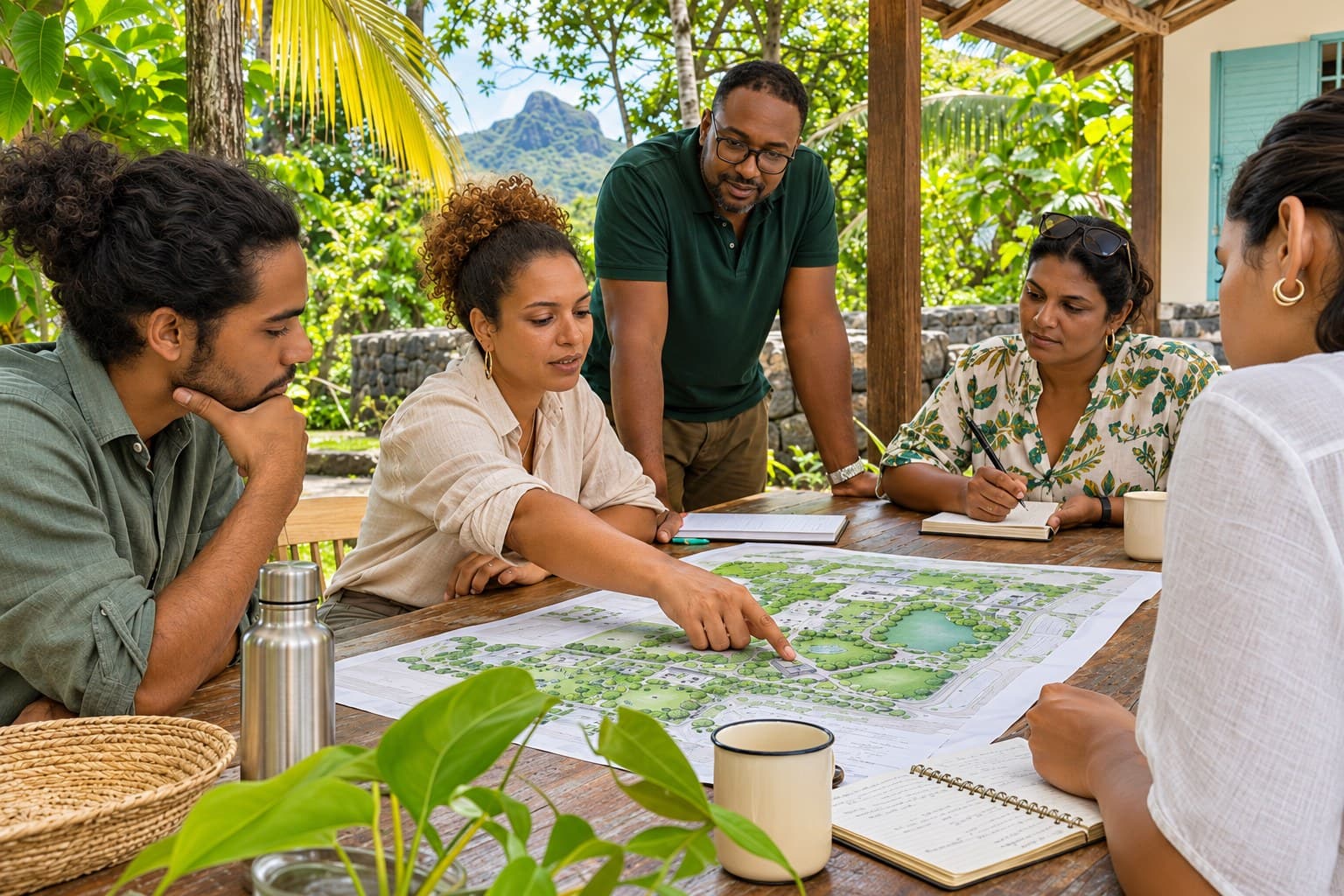
Ecological transition also depends on how we organise the places where we live and work. In Mauritius and Rodrigues, coastal erosion, water management, urbanisation and climate adaptation call for responses shaped with local authorities and residents. On these issues, Mautopia works with specialist partners (planners, architects, landscape designers, and coastal and water experts) and supports local authorities, institutions and developers. We work on project and funding development, consultation with residents, stakeholder coordination and delivery follow-up. Our regional cooperation experience also helps solutions circulate between territories across the Indian Ocean.
Decisions last when they are made at the right level. With our partners, we help local authorities and developers plan, adapt and green territories in collaboration with residents.
Our interventions
- Supporting local authorities’ ecological transition strategies
- Developing territorial projects and securing funding
- Community consultation and participatory workshops
- Sustainable planning and land-use support
- Climate change adaptation and coastal preservation
- Sustainable management of water resources
- Greening schools and shared spaces
- Sustainable city and resilient neighbourhood initiatives
- Waste management across municipalities and villages
- Regional cooperation and exchanges across the Indian Ocean
Frequently asked questions
What you should know
What is Mautopia?
Mautopia is a Mauritian agency specialised in ecological transition. It supports businesses, institutions and territorial stakeholders in designing and delivering environmental projects in Mauritius and Rodrigues.
How does Mautopia help businesses manage their waste?
Mautopia can carry out a flow pre-audit, identify recoverable pools, develop a management plan, recommend sorting equipment, train teams and identify suitable collection, reuse or recycling value chains.
What is industrial symbiosis?
Industrial symbiosis consists of creating exchanges or pooling between companies so that materials, resources, services or by-products available at one can be used by another.
Does Mautopia support eco-design initiatives?
Yes. Mautopia especially supports manufacturers in reducing the environmental impact of their products and packaging by examining the materials used, reuse, alternatives and locally available end-of-life solutions.
Does Mautopia only work on waste?
No. Mautopia's activities also cover energy, sustainable agriculture, biodiversity, and the challenges of planning and territorial resilience.
A specific challenge for your organisation?
Every situation calls for an answer adapted to the sector, the site, the flows involved and the solutions actually available in Mauritius.